

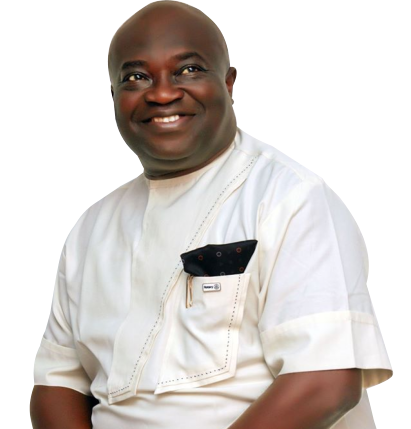
Chidi Samuel || Abia State governor, Okezie Ikpeazu has said that the State will consider the introduction of the law prohibiting open grazing in the state in the event that other measures to curb continued conflict between Fulani herdsmen and farmers fails.
According to to the governor, if and when Abia decides to ban open grazing in the state, it will only come as a last resort.

Governor Ikpeazu made the remark while responding to questions from guests at an interactive session organised by Ndi Igbo Lagos at Dover Hotels, Lekki Phase I, Lagos recently.
A particular participant had wanted to know what the governor and his colleagues from the South East were doing to curb the menace of Fulani Herdsmen in the region given that Ekiti and Benue had taken the bold steps of prohibiting open grazing in their states.

The Abia State governor in response said that what works for Ekiti and Benue may not necessarily work for Abia.
Ikpeazu said, ”How many Ekiti and Benue indigenes are leaving in the north?,” I have more than 11 million cousins from the five eastern states and Delta living in the north so everything must be put in perspective.”
The governor went on to elaborate on some of the measures Abia state is putting in place to resolve the friction between the herdsmen and local farmers including the visit he made to Kano to consult with Igbo leaders and stakeholders in the north.
Governor Ikpeazu, however, assured those present that if by the end of the day such measures fail to resolve the conflict, he will have no other alternative than to consider through the State House of Assembly the introduction of the law banning open grazing in the state.
Ikpeazu used the forum to also report on the progress of his urban renewal project in Abia based on the five principal pillars of Health, Agriculture, Education, Infrastructure development and Energy/Gas.