

Chidi Samuel| Nigeria on Saturday recorded 176 new coronavirus cases as the ever rising country’s toll surges to 5621.
The Nigeria Centre For Disease Control in a Tweet on Saturday night said the new infections occurred in Lagos, Oyo, FCT, Niger, Bornu, Jigawa, Kaduna, Anambra, Edo, Rivers, Nasarawa, Bauchi, Benue and Zamfara.

According to the health agency, Nigeria now has 5621 COVID-19 cases with 1427 discharges and 176 deaths.
The tweet read, ”176 new cases of #COVID19;

95-Lagos
31-Oyo
11-FCT
8-Niger
8-Borno
6-Jigawa
4-Kaduna
3-Anambra
2-Edo
2-Rivers
2-Nasarawa
2-Bauchi
1-Benue
1-Zamfara
5621 cases of #COVID19 in Nigeria.”
Discharged: 1472
Deaths: 176
-Doctors fear Thrombosis may be fuelling rising number of deaths in COVID-19 patients
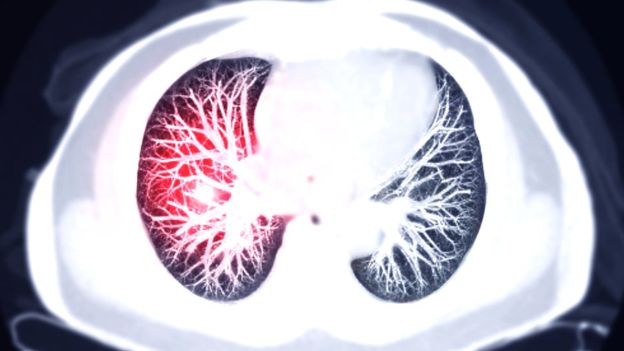
Meanwhile, medical experts have discovered that up to 30% of patients who are seriously ill with coronavirus are developing dangerous blood clots.
They say the clots, also known as thrombosis, could be contributing to the number of people dying.
Severe inflammation in the lungs – a natural response of the body to the virus – is behind their formation.
According to BBC report, Patients worldwide are being affected by many medical complications of the virus, some of which can be fatal.
Back in March, as coronavirus was spreading across the globe, doctors started seeing far higher rates of clots in patients admitted to hospital than they would normally expect.
And there have been other surprises, including the discovery of hundreds of micro-clots in the lungs of some patients.
The virus has also increased cases of deep vein thrombosis – blood clots usually found in the leg – which can be life-threatening when fragments break off and move up the body into the lungs, blocking blood vessels.
‘Serious trouble’
Artist Brian McClure was rushed to hospital last month suffering from the pneumonia brought on by coronavirus. But soon after he arrived, he had a scan showing he was in a bigger fight for his life.
“I went for a lung screening and that showed blood clots in the lungs. I was told that was very dangerous,” he said.
“That was when I really started to get worried. I got the picture that if I didn’t improve then I would be in serious trouble.”
He is now continuing his recovery at home.
“With a huge outpouring of data over the past few weeks I think it has become apparent that thrombosis is a major problem,” says Roopen Arya, professor of thrombosis and haemostasis at King’s College Hospital, London.
“Particularly in severely affected Covid patients in critical care, where some of the more recent studies show that nearly half the patients have pulmonary embolism or blood clot on the lungs.”
He believes the number of critically ill coronavirus patients developing blood clots could be significantly higher than the published data in Europe of up to 30%.
The professor’s blood sciences team in the hospital has been analysing samples from patients showing how coronavirus is changing their blood making it much more sticky. And sticky blood can lead to blood clots.
This change in the blood is the result of severe inflammation in the lungs, a natural response of the body to the virus.
“In severely affected patients we are seeing an outpouring of chemicals in the blood and this has a knock-on effect of activating the blood clotting,” says Prof Arya.
And all this ultimately causes a patient’s condition to deteriorate.
According to thrombosis expert Prof Beverley Hunt, sticky blood is having wider repercussions than just blood clots – it’s also leading to higher rates of strokes and heart attacks.
“And yes sticky blood is contributing to high mortality rates,” she says.
Blood thinners trial
To add to all these medical challenges, there are studies showing that the blood thinners currently being used to treat the blood clots are not always working. And ramping up doses to much higher levels risks patients suffering major bleeding which can be fatal.
The balance between treating the thrombosis and causing bleeds is “a precarious one”, according to Prof Arya.
But there is now a big push to get medical teams from around the world to co-operate in finding the safest and most effective way of tackling the blood clot problem thrown up by the virus.
Trials are under way to find a standard dosage of blood thinners to be used in all countries.
However, some experts believe there could be another solution: finding a way to reduce the acute inflammation in the lungs which leads to the creation of sticky blood, the source of the problem.
With BBC report