

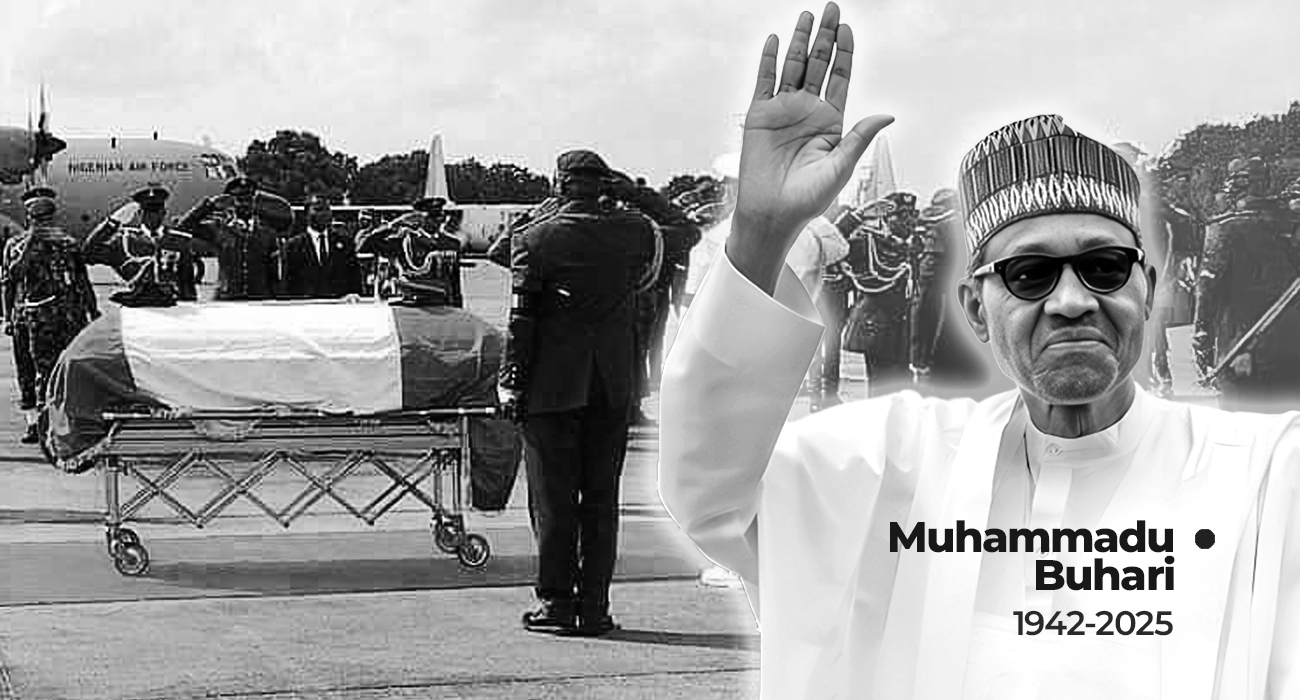
Muhammadu Buhari’s legacy presents a fascinating paradox in Nigerian history: a military leader who evolved into a democratic politician, yet whose democratic tenure was marked by significant contradictions and mixed results. His story reveals both the potential and limitations of Nigeria’s democratic experiment.
The Democratic Transformation

Buhari’s personal conversion to democracy was genuine, as he once stated: “It was then that I believed, personally, in my own assessment, that [a] multiparty democratic system was and is still superior to despotism.” This transformation from military ruler to democratic politician was remarkable, representing a broader shift in Nigerian political culture where former military leaders sought legitimacy through the ballot box rather than the barrel of the gun.Contributions to Democratic DevelopmentElectoral Persistence and Legitimacy: Buhari’s repeated attempts to win the presidency democratically (he contested four times before winning in 2015) demonstrated commitment to democratic processes.
His eventual victory in 2015 marked the first time in Nigerian history that an opposition candidate defeated an incumbent president, a significant milestone for democratic consolidation.

Peaceful Transfer of Power:
Perhaps most importantly for Nigeria’s democratic development, Buhari completed his two constitutional terms and handed over power peacefully to his successor in 2023, reinforcing the principle of democratic transitions and term limits.Anti-Corruption Platform: Buhari campaigned on an anti-corruption platform and pledged to remove immunity protections from government officials, bringing these issues to the forefront of democratic discourse in Nigeria.
The Complex Reality of Democratic Governance:
However, Buhari’s democratic legacy is deeply complicated by the gap between promise and performance:
Governance Challenges: His tenure is marked by missed opportunities, public protests against police brutality, economic strain, and unfulfilled promises on security, leaving a divided nation grappling with his legacy. Between 2015 and 2022, the democratically-elected government of Buhari presided over worsening security, continuing corruption, and two recessions.
Economic Performance:
According to the World Bank, following a period between 2001 and 2014 when Nigeria experienced average growth, the economy is in a far worse shape than Buhari met it when he took office eight years ago.
.Authoritarian Tendencies:
Despite his democratic mandate, critics argued that Buhari’s military background sometimes manifested in authoritarian approaches to governance, raising questions about the depth of democratic consolidation.The Paradox of Good IntentionsDespite the time and goodwill at his disposal, Buhari failed on almost every front, making his failure even more perplexing. This assessment highlights a crucial aspect of his legacy: the disconnect between democratic legitimacy and effective governance.Buhari, a former military ruler-turned-elected president, promised to fight corruption and insecurity but left office with many of the same issues unresolved.
Impact on Democratic InstitutionsInstitutional Continuity:
While Buhari’s administration faced criticism for various failures, it operated within democratic frameworks, maintained regular elections, and preserved constitutional structures. This institutional continuity, even amid governance challenges, contributed to democratic resilience.
Civil Society Engagement:
His presidency saw significant civil society activism, including the #EndSARS protests, which demonstrated both the vitality of democratic expression and the government’s sometimes heavy-handed responses to dissent.
Media and Opposition Space:
Throughout his tenure, opposition parties, civil society, and media continued to operate, though with varying degrees of pressure and restrictions.The Broader Democratic LegacyBuhari’s complex legacy illustrates key lessons about Nigeria’s democratic development:
Democratic Legitimacy vs. Effective Governance:
His story shows that electoral legitimacy doesn’t automatically translate to effective governance, highlighting the ongoing challenges of democratic consolidation in Nigeria.
Institutional Resilience:
Despite governance failures, democratic institutions largely held, suggesting some level of democratic maturation.The Military-Democracy Nexus: His transformation from military ruler to democratic politician reflects broader patterns in Nigerian politics while raising questions about the complete civilianization of political leadership.
Expectations vs. Reality: The gap between public expectations and government performance during his tenure reflects the ongoing challenges of managing democratic expectations in a complex, multi-ethnic society.Buhari’s legacy thus embodies both the promise and the limitations of Nigeria’s democratic experiment—a leader who embraced democratic principles but struggled to translate them into transformative governance, leaving behind a nation still grappling with the fundamental challenges of democratic governance.
Alabingo.com with wire reports