

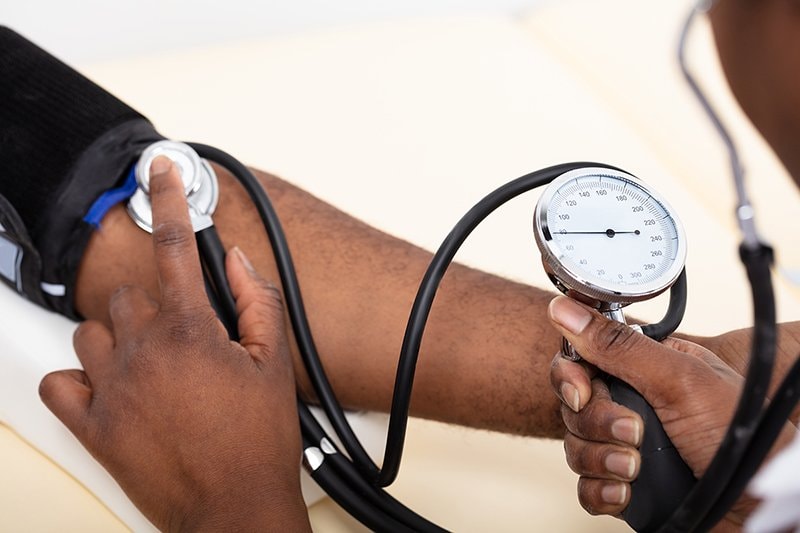
…They all support healthy blood pressure and have other health benefits for men.
Key Points

High blood pressure is a common health concern in men, and food can make a difference.
Foods like beets, bananas, broccoli, and oats may all help lower blood pressure.

These foods are also rich in nutrients that may benefit men’s health in other ways.
High blood pressure affects nearly half of all U.S. adults, and men tend to develop it earlier in life than women.1 “High blood pressure can be a particularly concerning issue for men, as it can develop silently without any symptoms,” says Melissa Mitri, MS, RD. “It is a major risk factor for heart disease, stroke, and erectile dysfunction in men, and so getting your numbers checked regularly is essential.”2
The good news is that what you eat can have a significant impact on your blood pressure and cardiovascular health. “Eating more potassium, fiber and heart-healthy fats while limiting excess sodium can help lower blood pressure and improve overall cardiovascular health,” explains Mitri. To learn more, we spoke with registered dietitians about the best foods men should eat every week for better blood pressure and long-term heart health.
1. Beets
Thanks to their naturally high concentration of dietary nitrates, beets are among the most well-researched foods for blood pressure support. “Beets are naturally high in dietary nitrates that increase nitric oxide production,” says Mitri. When consumed, these nitrates are converted into nitric oxide in your body, which helps relax and dilate blood vessels, improving blood flow and reducing pressure on arterial walls.3 For men who are physically active, the vasodilatory effect of beets may also improve exercise performance and recovery.4
2. Bananas
Bananas are an excellent source of potassium, a mineral that’s essential for blood pressure regulation by helping your kidneys excrete excess sodium.5 “Bananas are high in potassium, which is a mineral that promotes healthy blood pressure,” says Alyssa Smolen, MS, RDN, CDN. “Men need about 3,400 mg of potassium per day.”5 A medium banana delivers roughly 422 mg of potassium, making it an easy daily habit to build toward that goal.6
3. Legumes
Legumes, which include beans, peas and lentils, are among the most nutrient-dense foods you can eat for blood pressure, packing potassium, magnesium, fiber and plant protein into every serving. “They’re also filling and can help men manage weight, another key factor in blood pressure control,” says Mitri. Excess body weight is closely linked to elevated blood pressure in men, which makes legumes a fantastic option. Eating more legumes is linked with lower rates of high blood pressure. Just ¼ cup daily, or around 55-70 grams per day, was enough to help reduce the risk of hypertension.7 Whether in soups, salads, grain bowls, or as a side dish, aim to include beans or lentils in your weekly meals several times a week.
4. Broccoli
“Broccoli is a hidden powerhouse for lowering blood pressure,” says Smolen. She points to its nitrates that the body converts to nitric oxide, which helps relax blood vessels.8 Beyond nitric oxide, broccoli also provides good amounts of potassium, magnesium and vitamin C, all of which are nutrients that work to support vascular health.9 It’s a highly versatile vegetable and works well raw, roasted, steamed, or added to stir-fries.
5. Oats
“Oats are unique in that they contain a type of soluble fiber called beta-glucan, which supports heart health and may help improve cholesterol alongside blood pressure,” explains Mitri.10 Research shows that eating oats regularly is associated with lower systolic (top number of your reading) and diastolic blood pressure (bottom number), particularly in people with hypertension.11 Enjoying a bowl of oatmeal or overnight oats for breakfast is one of the easiest ways to make this food a consistent weekly habit.
6. Probiotic-Rich Foods
Probiotic-rich foods like kimchi, sauerkraut, kefir and unsweetened plain yogurt help support a healthy gut microbiome, which may in turn help regulate blood pressure by reducing inflammation and improving arterial function.12 “Probiotic-rich foods are beneficial for high blood pressure reduction,” says Smolen. “Men should aim to consume probiotic-rich foods to contribute to heart health and gut health.” When choosing dairy-based options, go for plain, unsweetened varieties to help keep your added sugar consumption in check.
7. Salmon
Fatty fish like salmon are rich sources of omega-3 fatty acids, which support heart health through multiple pathways, including reducing inflammation and helping regulate blood vessel function. “Salmon is one of the richest sources of omega-3 fats, which can help reduce inflammation and support healthy blood pressure,” says Mitri.13 For a plant-based alternative with comparable omega-3 content, consider adding ground flaxseed, chia seeds, or walnuts to your diet.
8. Leafy Greens
“Rich in potassium and magnesium, leafy greens like spinach and kale can help counteract sodium intake and relax blood vessels,” explains Mitri. “Men often fall short on vegetables, making leafy greens an easy way to boost heart-protective nutrients.”14 To get more greens in your diet, toss a handful of spinach or frozen kale into a smoothie, add them to your breakfast scramble (tofu or eggs), or incorporate greens into a grain bowl or healthy salad.
Our Expert Take
What you eat can significantly affect your blood pressure. Fortunately, eating for better blood pressure doesn’t require a complete overhaul of your diet. Swapping ultraprocessed foods high in added sugars and saturated fats for heart-healthy whole foods like beets, bananas, legumes, broccoli, oats, probiotic-rich foods, salmon and leafy greens will provide your cardiovascular system with the potassium, magnesium, fiber and anti-inflammatory compounds it needs to function at its best and keep your blood pressure in check. As always, speak with your healthcare provider or a registered dietitian for personalized guidance or if you have any questions about your diet and blood pressure.
EatingWell.Com