
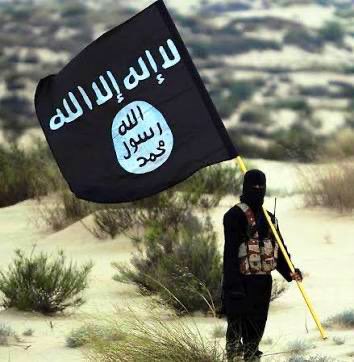
Following the recent neutralization of Modu Kundiri, the senior commander (Qa’id) of Pulka camp in Gwoza Local Government Area of Borno State, the Islamic State West Africa Province (ISWAP) has appointed a replacement to sustain its operational command in the area.

Intelligence reports obtained on the evening of March 11, 2026, revealed that ISWAP leadership quickly designated Abu Ameer as the new commander (Qa’id) of Pulka camp. The move pointed out to the group’s efforts in maintaining command continuity despite recent setbacks.
According to Zagazola Makama, Kundiri had served as the senior commander, also known as Qa’id, of the group’s Pulka camp, a strategic operational hub located in the southern axis of Borno near the border with Adamawa State and Cameroon.
Pulka occupies a critical position in the insurgency landscape due to its geographical proximity to the border regions linking Borno State with Adamawa State and neighbouring Cameroon.

The area has historically served as a transit corridor for insurgent fighters, logistics supplies and communication networks operating across multiple theatres.
According to intelligence discussions intercepted on March 11, fighters loyal to the group are still present in Ngalta village, located between Pulka in Gwoza LGA and Madagali Local Government Area in Adamawa State.
The disclosure reportedly came during internal exchanges among insurgent members, where a fighter identified as Konto informed another member, Manya, about the continued presence of fighters in the area.
Such conversations indicated that despite losing commanders, the group continues to maintain operational cells and surveillance elements within the Pulka–Ngalta–Madagali corridor.
The continued presence of fighters in Ngalta village suggests that the insurgents may still retain limited operational capability along the Borno–Adamawa border axis. Such locations often function as temporary regrouping points or staging areas for movement between remote settlements.
The development therefore point to the need for sustained intelligence gathering, aerial surveillance and coordinated ground operations across the corridor.
Zagazola emphasise the importance of maintaining strong collaboration between military forces, local vigilante groups and community intelligence networks to detect insurgent movement.
The development comes amid ongoing operations by the Nigerian military to dismantle ISWAP strongholds across the Northeast and reinforce stability in affected communities.

Leave a Reply