

Chidi Samuel| Nigeria’s coronavirus burden on Thursday surged the 27, 000 mark as the country reported 626 new infections.

In a statement via its official Twitter handle, the Nigeria Centre for Disease Control (NCDC) said the new infections were recorded accross 20 states with Lagos, the epicentre of the pandemic recording the highest number of cases for the day-193, FCT followed with 85 new infections, Oyo with 41 and Edo with 38.
Other states with new infections include, Kwara 34, Abia 31, Ogun 29, Ondo 28, Rivers 26, Osun 31, Akwa Ibom 18, Delta 18, Enugu 15, Kaduna 13, Plateau 11, Bornu 8, Bauchi 7, Adamawa 5, Gombe 4, and Sokoto 1.
The health agency further stated that Nigeria’s COVID-19 burden currently stands at 27,110 confirmed cases with 10, 801 discharges and 616 deaths.
The tweet read, 626 new cases of #COVID19Nigeria;
Lagos-193
FCT-85
Oyo-41
Edo-38
Kwara-34
Abia-31
Ogun-29
Ondo-28
Rivers-26
Osun-21
Akwa Ibom-18
Delta-18
Enugu-15
Kaduna-13
Plateau-11
Borno-8
Bauchi-7
Adamawa-5
Gombe-4
Sokoto-1
27,110 confirmed
10,801 discharged
616 deaths
-Madagascar’s ‘COVID-19’ drug is mainly anti-malaria – Health Minister
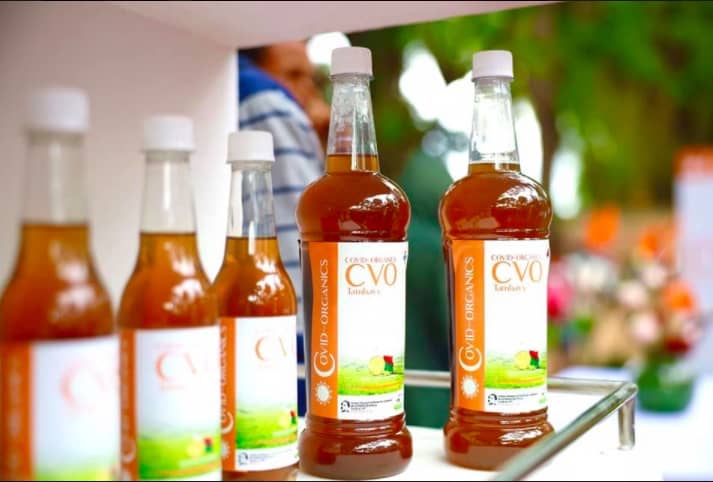
The analysis of the much hyped Madagascar COVID Organics shows that it largely contains anti-malaria components, Nigeria’s Minister of Health, Osagie Ehanire, said on Thursday.
COVID Organics is a herbal mixture developed by the Malagasy Institute of Applied Research. It was reportedly used in treating COVID-19 patients in Madagascar.
The World Health Organisation (WHO), however, cautioned countries against use of the product since it had not undergone thorough scientific analysis.
But speaking at the briefing of the Presidential Task Force (PTF) on COVID-19, Ehanire said a variety of the herb used for the product also grows in Nigeria.
He said, “Preliminary results of the analysis of the so-called Madagascar herbs by the National Institute for Pharmaceutical Research and Development (NIPRD) show that it is the same as the plant Artemisia anua, which is grown in the NIPRD farm. Further research on its efficacy will be conducted when the grants for research is approved.
“The so-called Madagascar herb is one component of the malaria treatment medicine. Some years ago, the government actually imported this plant and has a plantation of it in trying to develop its own production of the artemisinin-based combination therapy (ACT). The plantation is still there but the process has not gone that much further.
“We are looking into seeing what has held it up but the plant is here; it was intended for producing anti-malaria, and the type we have here has a very high yield of artemisinin – which is actually the active ingredient.”
Ehanire, however, said relevant government agencies will continue the process of evaluation to determine its effectiveness in treating COVID-19.
Leave a Reply