

Chidi Samuel| Nigeria’s COVID-19 infections on Monday surpassed the 29, 000 mark as the country reported 575 new cases of the highly contagious virus.

According to the latest data released by the Nigeria Centre for Disease Control (NCDC) via its verified Twitter handle, the new infections were recorded across 20 states and the FCT with Lagos, the epicentre of the outbreak recording 123 new cases, followed by FCT 100, Delta 58, Edo 52, Ogun 42, Katsina 24, Bayelsa 23 and Rivers 22.
Other states with ew infections include, Bornu 19, Plateau 18, Ondo 18, Oyo 17, Kwara 15, Osun-13, Enugu-9, Nasarawa-7, Abia-6, Cross River-5, Kaduna-3, and Ekiti-1.
The health agency further stated that so far, 29,286 cases of the novel coronavirus has been confirmed in the country with 11,828 discharges and 654 deaths.
The tweet read, 575 new cases of COVID19Nigeria;
Lagos-123
FCT-100
Delta-58
Edo-52
Ogun-42
Katsina-24
Bayelsa-23
Rivers-22
Borno-19
Plateau-18
Ondo-18
Oyo-17
Kwara-15
Osun-13
Enugu-9
Nasarawa-7
Abia-6
Cross River-5
Kaduna-3
Ekiti-1
29,286 confirmed
11,828 discharged
654 deaths
-Coronavirus: Fear over rise in animal-to-human diseases
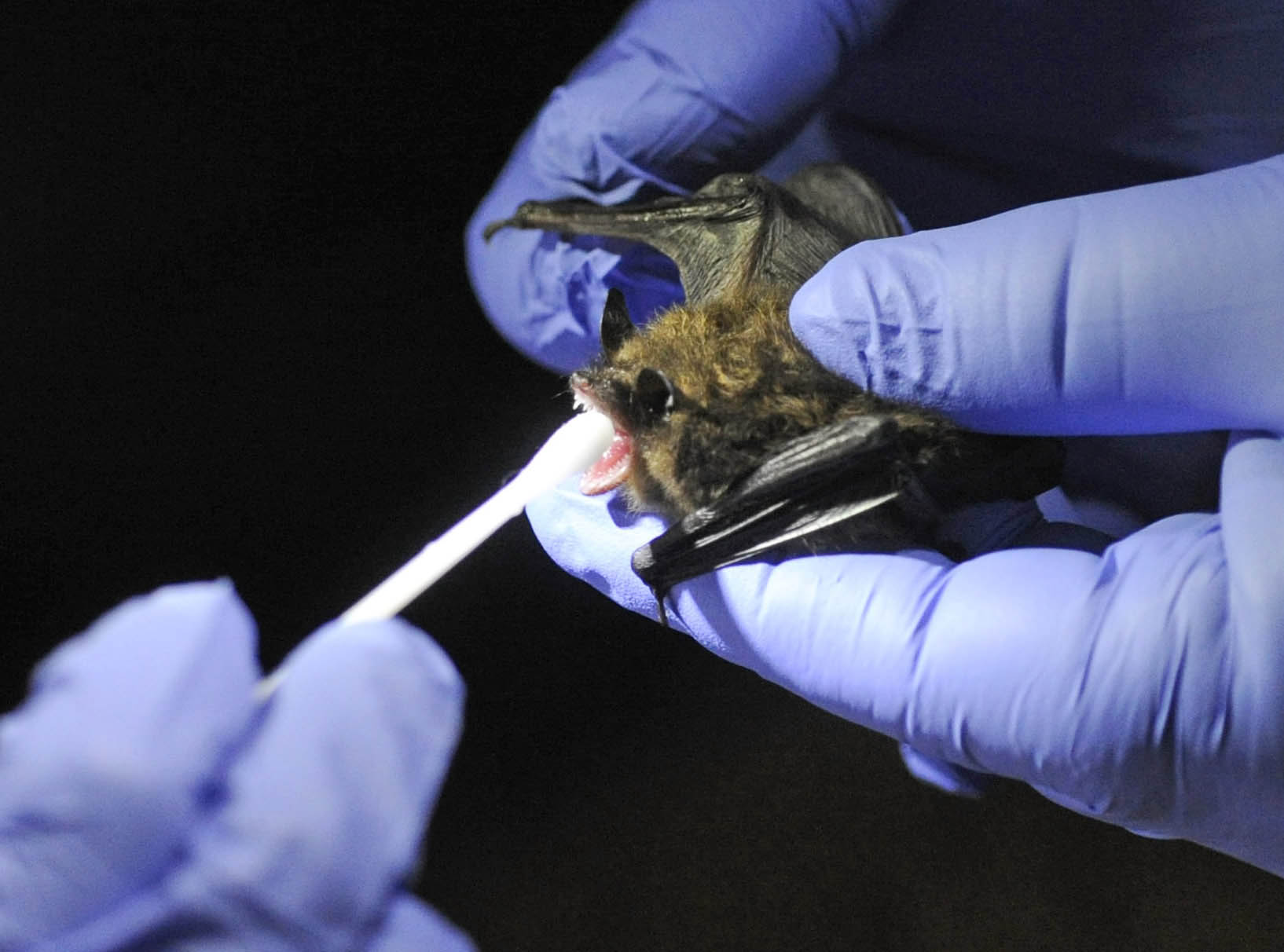
Meanwhile, the United Nations has warned that Zoonotic diseases – which jump from animals to humans – are increasing and will continue to do so without action to protect wildlife and preserve the environment.
They blame the rise in diseases such as Covid-19 on high demand for animal protein, unsustainable agricultural practices and climate change.
Neglected zoonotic diseases kill two million people a year, they say.
Covid-19 is set to cost the global economy $9tn (£7.2tn) over two years.
Ebola, West Nile virus and Sars are also all zoonotic diseases: they started in animals, and made the jump to humans.
What the report said…
But that jump is not automatic. It is driven, according to the report by the United Nations Environment Programme and the International Livestock Research Institute, by the degradation of our natural environment – for example through land degradation, wildlife exploitation, resource extraction, and climate change. This alters the way animals and humans interact.
“In the last century we have seen at least six major outbreaks of novel coronaviruses,” said Inger Andersen, under-secretary general and executive director of the UN Environment Programme.
“Over the last two decades and before Covid-19, zoonotic diseases caused economic damage of $100bn (£80bn).”
She said that “two million people in low- and middle-income countries die each year from neglected endemic zoonotic diseases – such as anthrax, bovine tuberculosis and rabies”.
“These are often communities with complex development problems, high dependence on livestock and proximity to wildlife.”
Meat production, for example, has increased by 260% in the last 50 years, Ms Andersen said.
“We have intensified agriculture, expanded infrastructure and extracted resources at the expense of our wild spaces,” she explained.
“Dams, irrigation and factory farms are linked to 25% of infectious diseases in humans. Travel, transport and food supply chains have erased borders and distances. Climate change has contributed to the spread of pathogens”.
The report offers governments strategies on how to prevent future outbreaks, such as incentivizing sustainable land management, improving biodiversity and investing in scientific research.
“The science is clear that if we keep exploiting wildlife and destroying our ecosystems, then we can expect to see a steady stream of these diseases jumping from animals to humans in the years ahead,” Ms Andersen said.
“To prevent future outbreaks, we must become much more deliberate about protecting our natural environment.”
With BBC report
Leave a Reply