

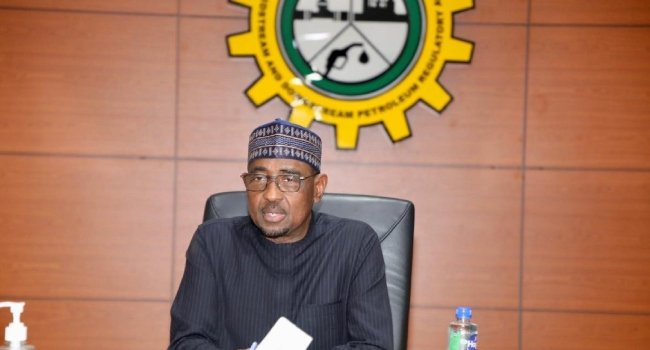
Labour Party presidential candidate Peter Obi has reacted via Twitter to the ongoing controversy involving Farouk Ahmed, CEO of the Nigerian Midstream and Downstream Petroleum Regulatory Authority (NMDPRA), drawing attention to the potential impact of public spending on education.

In his tweet, Obi referred to reports that Farouk allegedly spent $5 million (about ₦7.5 billion) on the secondary education of his four children in Switzerland. While acknowledging that parents naturally invest in their children, Obi noted that such resources could have been redirected to address Nigeria’s severe education crisis.
Obi outlined that ₦7.5 billion could fund 25 school blocks at ₦35 million per block, each with six classrooms accommodating 240 students—educating 6,000 children annually. These schools would employ 450 teachers with a monthly salary of ₦125,000 each, totaling ₦675 million annually. After accounting for construction costs (₦875 million) and one year of teacher salaries (₦675 million), ₦5.95 billion would remain.
Invested in government bonds at 19%, the remaining funds could generate approximately ₦1.13 billion per year. Allocating ₦10 million per block annually for libraries, laboratories, meals, utilities, and maintenance would cost ₦250 million, leaving ₦880 million to cover salaries and reserves – effectively creating a self-sustaining education system.
Obi further noted that if 2,400 individuals with similar access to public resources each invested $5 million domestically, it could fund 60,000 school blocks, educate 14.4 million children annually, and employ 1.08 million teachers, establishing a nationwide, self-sustaining education ecosystem.
He concluded that the Farouk controversy is not merely about one individual but raises a broader question of national responsibility: whether privilege will continue alongside societal neglect or be used to foster education, opportunity, and community development across Nigeria.
Leave a Reply