

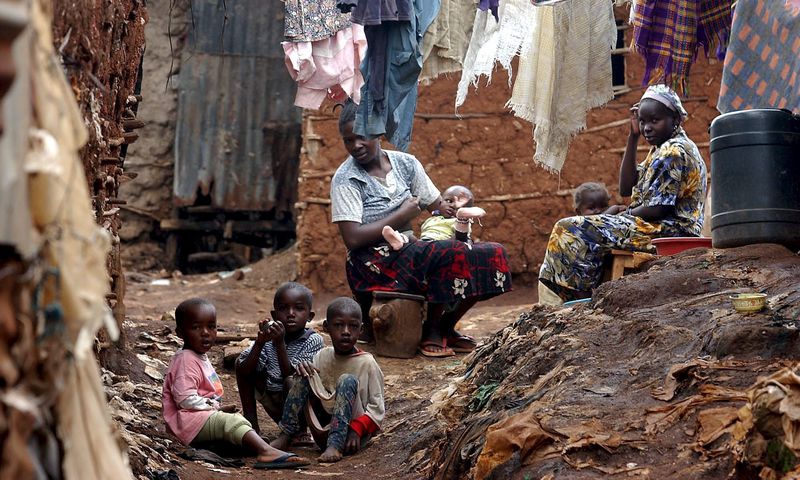
-Most of the poorest states are concentrated in the northern region.

Nigeria has vast natural resources and potential for growth but it continues to grapple with high poverty rates, particularly in certain regions.
Most of the poorest states are concentrated in the northern region, where insecurity, infrastructural decay, weak institutions, and low human development indices persist. While various government interventions and programs have been introduced to tackle poverty, progress has been slow due to corruption, mismanagement, and lack of sustainable planning.
Here are the 10 poorest states in Nigeria, highlighting the unique socio-economic and structural challenges that each state faces.
1. Sokoto State
Poverty Rate: 87.73%
Region: North West
Capital: Sokoto
Population (2023): 5.52 million
Sokoto tops the list as the poorest state in Nigeria. Its economy is heavily reliant on agriculture, but extreme temperatures and poor irrigation limit productivity. Security challenges, including bandit attacks, have displaced farmers and worsened food shortages. Sokoto has poor infrastructure, high unemployment, and limited access to healthcare and education. The state struggles to provide basic needs for its residents.
2. Taraba State
Poverty Rate: 87.72%
Region: North East
Capital: Jalingo
Population (2023): 3.27 million
Despite being rich in natural resources and agricultural potential, Taraba suffers from underdeveloped infrastructure and security issues caused by communal clashes. These challenges have crippled its economy and left many residents dependent on low-yield subsistence farming. Inadequate access to education and healthcare has also contributed to its high poverty rate.
3. Jigawa State
Poverty Rate: 87.02%
Region: North West
Capital: Dutse
Population (2023): 5.83 million
Created in 1991, Jigawa depends heavily on agriculture. However, outdated farming methods, low rainfall, and poor access to education and healthcare continue to plague the state. Corruption and mismanagement of government support programs have hindered progress, leaving the majority of the population in poverty.
4. Ebonyi State
Poverty Rate: 79.76%
Region: South East
Capital: Abakaliki
Population (2023): 3.32 million
Ebonyi is the only southern state on this list, reflecting that poverty is not solely a regional issue. With most of the population engaged in small-scale farming, poor soil quality and environmental degradation further limit productivity. Poor infrastructure and limited social services worsen the living conditions, and despite government initiatives, little progress has been made in reducing poverty.
6. Zamfara State
Poverty Rate: 73.98%
Region: North West
Capital: Gusau
Population (2023): 4.52 million
Zamfara’s economic and social challenges are deeply rooted in insecurity, high debt levels, and poor educational access. Banditry and communal conflicts have paralyzed agricultural activity, and with a growing number of out-of-school children, the future prospects for development remain grim.
7. Yobe State
Poverty Rate: 72.34%
Region: North East
Capital: Damaturu
Population (2023): 3.29 million
Yobe suffers from chronic insecurity due to insurgency, poor infrastructure, and limited access to healthcare and education. These challenges have led to widespread displacement, making it difficult for residents to lead stable, productive lives.
8. Kebbi State
Poverty Rate: 60.11%
Region: North West
Capital: Birnin Kebbi
Population (2023): 5.56 million
Kebbi struggles with high unemployment, poor infrastructure, and rising infant mortality rates. Despite some government programs, corruption and poor resource management hinder progress. Many citizens lack access to clean water, electricity, and adequate healthcare.
9. Gombe State
Poverty Rate: 62.31%
Region: North East
Capital: Gombe
Population (2023): 3.51 million
Though rich in agricultural potential, Gombe faces massive infrastructural deficits and youth unemployment. Poor road networks limit farmers’ access to markets, while a struggling education system and unreliable power supply stifle economic growth and entrepreneurship.
10. Bauchi State
Poverty Rate: 61.53%
Region: North East
Capital: Bauchi
Population (2023): 7.16 million
Bauchi is among the most populous of the poorest states. Agricultural activity is widespread, but poor soil, inconsistent rainfall, and limited infrastructure hamper productivity. Underfunded healthcare and educational systems further deepen the cycle of poverty.
Poverty remains one of Nigeria’s most pressing challenges, affecting millions of citizens and stalling the country’s economic development. To truly address poverty in these regions, Nigeria must prioritize inclusive development, security, and investments in human capital.
Trust report
Leave a Reply